Keywords
Veterinary Parasitology Diagnostics, Clinical Samples in Veterinary Diagnosis, Animal Parasitic Diseases Diagnosis, Veterinary Clinical Parasitology Laboratory, Faecal Examination Techniques in Animals, Coprology in Veterinary Science, Helminth Egg Identification, Quantitative Faecal Egg Count Methods, Faecal Sample Collection and Preservation, Nematode Larvae Identification, Faecal Culture Techniques Veterinary, Blood Parasite Detection in Animals, Microfilaria Detection Methods, Veterinary Necropsy Parasite Identification, Helminth Preservation and Mounting Techniques, Arthropod Identification in Veterinary Science, Tick and Mite Identification Methods, Protozoa Identification in Animals, Haemoprotozoa Detection and Staining, Veterinary Diagnostic Test KitsVeterinary Parasitology Techniques
authored by: Manaswini Dehuri & S.T. Bino SundarLength: 22.9 mm | Breadth: 14.25 mm | Height: 3.570 mm | Imprint: NIPA | Weight: GMS
This book will be available from 18-Jul-2026
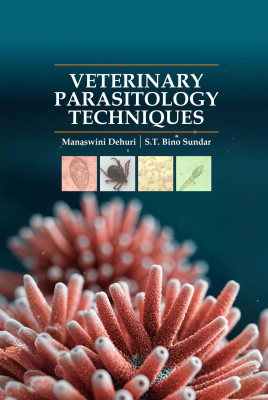
Veterinary Parasitology Techniques is a comprehensive guide to the diagnosis and management of parasitic diseases in livestock, pets, and poultry. The book covers essential clinical samples, including faeces, blood, urine, skin scrapings, and nasal washings, along with their processing and interpretation.
It explains collection, preservation, and identification of helminths, arthropods, and protozoa using modern diagnostic techniques supported by colour images and identification keys. Designed for undergraduate, postgraduate, and practicing veterinarians, it enhances clinical diagnostic skills and field application. With updated methodologies and practical insights, this book serves as an essential resource for veterinary science students and professionals worldwide.
Chapter 1.Importance of clinical samples in diagnosis of parasitic infections/infestations of veterinary importance
Chapter 2.Common clinical samples routinely screened for parasitic diseases of animals and birds
Chapter 3.Basic infrastructure and other requirements of a veterinary clinical parasitology laboratory
Chapter 4.Basic glasswares, plasticwares needed for a veterinary clinical parasitology laboratory
Chapter 5.Basic chemicals required for processing of samples in a veterinary clinical parasitology laboratory
Chapter 6.Laboratory techniques for diagnosis of helminthic infections in animals and birds-Coprology
Chapter 7.Collection of faecal samples from different species of animals and birds
Chapter 8.Preservation, Labelling and dispatch of faecal samples
Chapter 9.Examination of Faecal Samples-Qualitative methods
Chapter 10.Examination of Faecal Samples-Quantitative methods
Chapter 11.Interpretation of Eaecal egg counts
Chapter 12.Key identification Characteristics of helminth eggs of veterinary importance
Chapter 13.Commercial kits used in diagnosis of helminthic infections
Chapter 14.Faecal culture techniques
Chapter 15.Characteristics of different nematode larvae recovered by faecal culture
Chapter 16.Estimation of pasture larval burden
Chapter 17.Examination of blood for detection of microfilaria
Chapter 18.Scotch tape method for diagnosis of pinworm infection
Chapter 19.Collection of helminth parasites
Chapter 20.Location of different helminth parasites in animals and birds to be noted during necropsy
Chapter 21.Fixation and preservation of helminth parasites
Chapter 22.Processing and mounting of trematodes
Chapter 23.Keys for identification of trematodes
Chapter 24.Processing and mounting of cestodes
Chapter 25.Keys for identification of cestodes
Chapter 26.Processing and mounting of nematodes
Chapter 27.Keys for identification of nematodes
Chapter 28.Preservation of helminths by plastination
Chapter 29.Collection and identification of arthropods of veterinary importance
Chapter 30.Preservation, Labelling and dispatch of arthropods
Chapter 31.Keys for Identification of arthropods based on mouth parts, arista and wing structures
Chapter 32.Identification of fly larvae based on posterior spiracles
Chapter 33.Keys for identification of fleas, lice etc
Chapter 34.Processing of ticks
Chapter 35.Keys for identification of different tick species of veterinary importance
Chapter 36.Acetate strip examination for mites
Chapter 37.Collection and processing of skin scrapings for identification of mites
Chapter 38.Keys for identification of mites of veterinary importance
Chapter 39.Processing of faecal samples for identification of gastrointestinal tract protozoa
Chapter 40.Identification of protozoa of the genital tract
Chapter 41.Demonstration of Trichomonas gallinae in pigeons by throat swab
Chapter 42.Identification of tissue protozoa
Chapter 43.Identification of blood protozoa
Chapter 44.Collection of blood samples from animals and birds for identification of blood parasites
Chapter 45.Wet blood film examination for parasites
Chapter 46.Preparation of thin and thick blood smears
Chapter 47.Staining of blood smears for demonstration of haemoprotozoan parasites
Chapter 48.Examination of buffy coat for parasites
Chapter 49.Specific tests/assays used in diagnostic veterinary parasitology
Chapter 50.Commercial test kits available for veterinary parasitology disease diagnosis