Keywords
Indian Traditional Knowledge, Indigenous Knowledge Systems, Traditional Agriculture in India, Sustainable Agriculture, Natural Farming Practices, Indigenous Farming Techniques, Organic Farming Methods, Traditional Crop Production, Ethnoveterinary Medicine, Indigenous Pest Management, Grain Storage Techniques, Rainwater Harvesting, Soil Fertility Management, Water Conservation Practices, Traditional Horticulture Practices, Agroecology and Sustainability, Biodiversity Conservation, Climate-Resilient Agriculture, Traditional Fisheries Practices, Eco-Friendly Farming SystemsIndian Traditional Knowledge
authored by: Gagan MattaLength: 152 mm | Breadth: 10 mm | Height: 229 mm | Imprint: CONTENT VIBES | Weight: 400 GMS
This book will be available from 19-Aug-2026
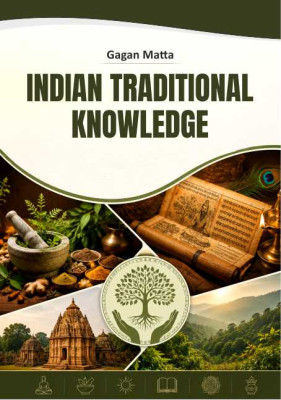
Indian Traditional Knowledge is a comprehensive book that explores the rich heritage of indigenous wisdom and sustainable practices developed by Indian communities over generations. The book highlights the importance of traditional knowledge systems in agriculture and allied sciences, emphasizing their role in ecological balance, climate resilience, biodiversity conservation, and rural livelihoods.
Covering diverse topics such as crop production, horticulture, ethnoveterinary medicine, indigenous pest management, grain storage, water conservation, rainwater harvesting, fisheries, and post-harvest management, the book presents practical and eco-friendly approaches rooted in local traditions and experiences. It also discusses the protection of traditional knowledge, intellectual property rights, and the integration of indigenous systems with modern scientific advancements.
Designed for students, researchers, academicians, extension workers, and policymakers, this book serves as an important resource for understanding sustainable agricultural practices and preserving India’s valuable cultural and scientific heritage for future generations.
Chapter 1. Introduction to Indian Traditional Knowledge
Chapter 2. Importance of Traditional Knowledge in Agriculture and Allied Sciences
Chapter 3. Traditional Knowledge System vs Western Science System
Chapter 4. Protection of Traditional Knowledge
Chapter 5. Intellectual Property Rights (IPR) and Legal Provisions
Chapter 6. Traditional Knowledge in Crop Production Systems
Chapter 7. Traditional Knowledge in Horticulture
Chapter 8. Indigenous Pest and Disease Management
Chapter 9. Traditional Veterinary and Animal Husbandry Practices
Chapter 10. Grain and Seed Storage Techniques
Chapter 11. Traditional Farm Implements and Tillage Practices
Chapter 12. Soil Fertility and Water Conservation Practices
Chapter 13. Rainwater Management and Weather Forecasting
Chapter 14. Fisheries and Allied Traditional Practices
Chapter 15. Post-Harvest Management and Environmental Practices